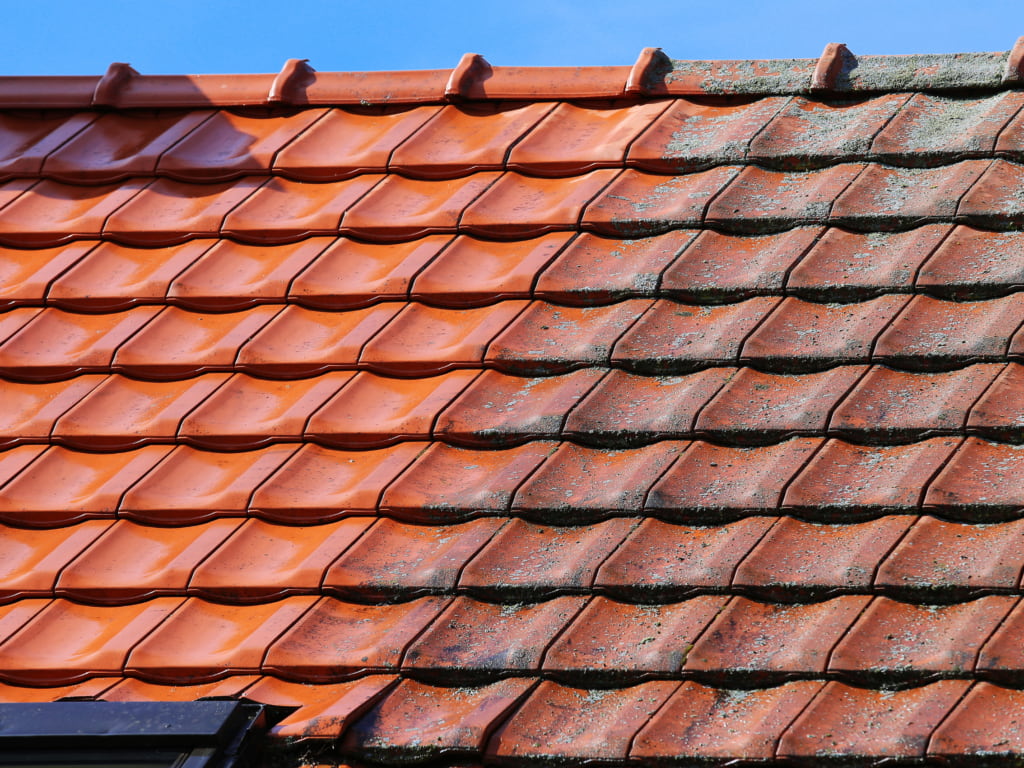
A roof defect may appear to be a straightforward issue, such as a slipped tile, a damp patch or a small section of damaged flashing. However, the visible symptom does not always reveal the complete cause. If a repair addresses only what can be seen, the problem may return during the next period of heavy rain or strong wind.
Professional roof repairs are based on accurate investigation, suitable materials and careful workmanship. For property owners in Waterlooville, Hampshire, this approach can help prevent an isolated defect from developing into a recurring problem that affects several parts of the roof.
Why Some Roof Problems Keep Returning
Roofing components work together to direct rainwater away from the property. Tiles, slates, underlay, battens, flashing, valleys, ridges and drainage details all contribute to the system.
A fault in one area can place additional pressure on another. Water entering beside a chimney, for example, may travel beneath the covering before becoming visible inside the property. Repairing the area directly above the damp patch would therefore be unlikely to resolve the true source.
Finding the Underlying Cause
The first stage of an effective repair is identifying why the defect developed. A professional inspection looks beyond the obvious damage and considers the surrounding roof.
This may involve checking adjacent tiles, fixings, mortar, flashing, junctions and accessible roof-space timbers. The direction of water movement, pattern of staining and condition of nearby materials can all help locate the original entry point.
Accurate diagnosis reduces the risk of repairing the wrong section or overlooking a connected weakness.
Inspecting Beyond the Visible Damage
Roof deterioration is not always confined to the area where it first becomes noticeable. A cracked tile may have allowed moisture to affect the underlay or batten beneath it. Loose ridge material could also indicate weakening along a wider section.
Professional roofers inspect a sufficiently broad area around the reported defect. This helps establish whether the problem is genuinely localised or part of more extensive deterioration requiring additional attention.
Using Compatible Replacement Materials
A repair must integrate correctly with the existing roof. Tiles and slates vary in size, profile, thickness and fixing method, while different roofing systems require specific supporting materials.
An unsuitable replacement may sit unevenly, create gaps or interfere with the way water drains across neighbouring coverings. Professional repairs use compatible materials and appropriate fixings so the restored section performs as part of the wider roof.
Restoring Correct Overlaps and Alignment
Roof coverings rely on consistent overlaps to prevent wind-driven rain from reaching the layers below. Tiles that are misaligned, incorrectly positioned or insufficiently overlapped can leave vulnerable gaps.
During a professional repair, the surrounding courses are checked and repositioned where necessary. Restoring the correct alignment helps water move down the roof without being diverted beneath the covering.
Repairing Flashing and Junctions Properly
Chimneys, adjoining walls, roof intersections and penetrations are common locations for recurring leaks. These areas depend on carefully formed flashing to direct water away from the junction.
Surface sealants may temporarily cover a gap, but they do not necessarily correct loose, split or poorly fitted flashing. A lasting repair may require the defective material to be removed and renewed so that it is properly secured and integrated with the masonry and roof covering.
Checking the Concealed Roofing Layers
The visible covering is only one part of the roof. Underlay provides secondary protection against moisture, while battens support the tiles or slates and hold their fixings.
If these concealed materials have torn, decayed or weakened, replacing the outer covering alone may not prevent the problem from returning. Professional repairs consider the condition beneath the damaged area and address affected supporting components where accessible and necessary.
Correcting the Route of Rainwater
Leaks may recur when rainwater is not draining as intended. Debris in a valley, an uneven roof junction or an incorrectly positioned tile can redirect water towards a vulnerable area.
A professional repair restores a clear and reliable drainage route. This may involve adjusting tiles, clearing channels or rebuilding a poorly formed detail so water can leave the roof efficiently rather than collecting or flowing beneath the covering.
Securing the Repair Against Future Movement
Replacing a loose component without identifying why it moved can lead to another failure. Tiles may slip because their fixings have deteriorated, battens have weakened or surrounding coverings are no longer providing adequate support.
Professional roofers assess these factors before securing the replacement. Appropriate mechanical fixings and a sound supporting base help the repaired section withstand normal weather exposure.
Recognising When a Wider Solution Is Needed
Not every recurring problem can be resolved through a very small repair. If defects are appearing across several slopes or the surrounding materials are significantly deteriorated, repeatedly patching individual areas may no longer provide dependable results.
A professional assessment helps distinguish between an isolated fault and a broader roofing issue. This allows the recommended work to address the actual extent of deterioration without treating separate symptoms as unrelated problems.
The Value of Timely Professional Attention
Early investigation can limit how far moisture travels beneath the roof covering. Prompt repairs may also protect battens, timbers, insulation and internal finishes from continued exposure.
Professional attention is particularly valuable when a leak has returned, moved position or appears only during certain weather conditions. These patterns often indicate that the water is entering somewhere other than the point at which it becomes visible.
Conclusion
Professional roof repairs reduce the likelihood of recurring defects by identifying the underlying cause, checking surrounding materials and restoring the complete weather-resistant detail. Compatible components, correct alignment and secure installation are essential if a repair is to remain effective.
Waterlooville Roofing Repairs provides professional roof inspections and repairs in Waterlooville, Hampshire. If a roofing problem has returned or an existing defect requires careful attention, contact our team to arrange an assessment and determine the most suitable repair.
Call us on: 023 8235 6099
Click here to find out more about Waterlooville Roofing Repairs
Click here to complete our contact form and see how we can help with your roofing needs.