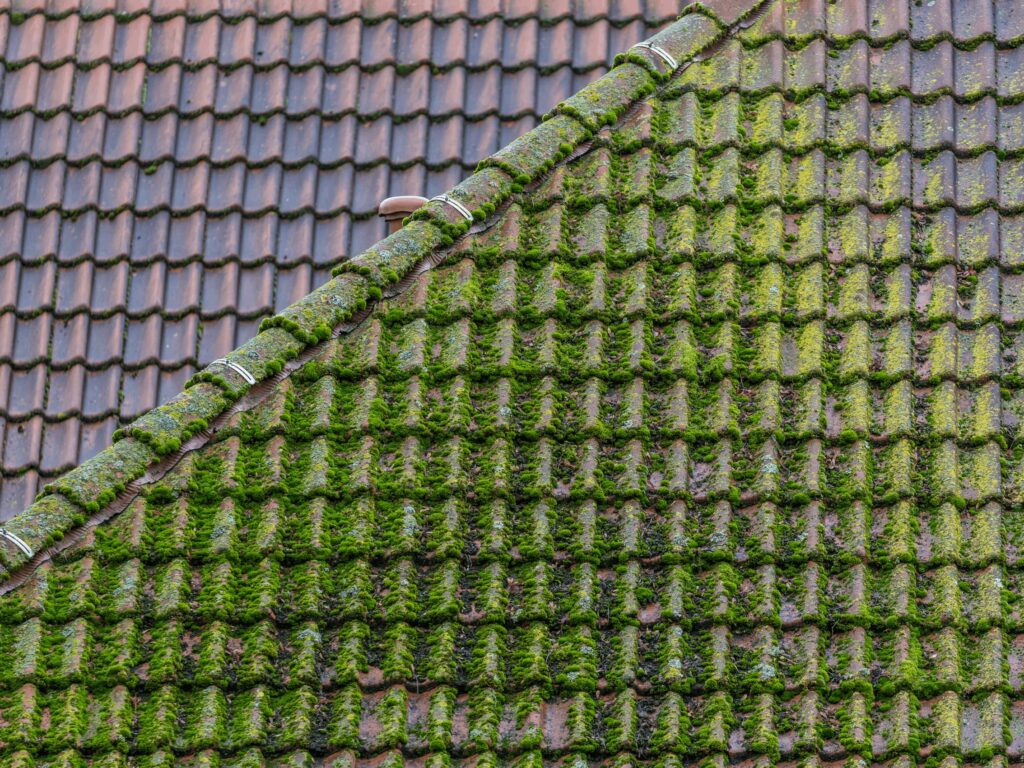
Roofing problems do not always develop in isolation. On an ageing or extensively weathered roof, homeowners may find themselves dealing with slipped tiles, recurring leaks, deteriorating underlay, failing flashing and worn roofline details at the same time. While individual repairs are highly effective when defects are localised, there comes a point when repeatedly treating separate areas may no longer address the condition of the roofing system as a whole.
For homeowners in Waterlooville, Hampshire, re-roofing can provide a comprehensive solution when several significant defects have developed across the same roof. At Waterlooville Roofing Repairs, careful assessment helps establish whether targeted repairs remain appropriate or whether re-roofing would provide the more dependable long-term outcome.
What Does Re-Roofing Involve?
Re-roofing involves removing the existing roof covering so that the underlying components can be inspected before a new roofing system is installed.
Depending on the roof and its condition, the process allows attention to be given to several important elements, including:
- Tiles or slates
- Roofing underlay
- Battens
- Flashing
- Ridge and verge details
- Valleys and roof junctions
- Supporting areas requiring attention
This comprehensive approach is why re-roofing can resolve several problems during one carefully planned project.
Addressing Widespread Tile or Slate Problems
An occasional cracked or slipped tile can usually be replaced individually. The situation is different when defects are occurring throughout the roof.
Older coverings may gradually become brittle, weathered or unreliable. Fixings can also deteriorate, allowing increasing numbers of tiles or slates to move.
Rather than continuing to replace individual units as new problems appear, re-roofing allows the complete covering to be renewed, restoring a consistent protective layer across the property.
Replacing Deteriorated Underlay
One of the limitations of localised roof repairs is that they may not provide access to widespread deterioration beneath the visible covering.
Roofing underlay provides an important secondary layer of protection beneath tiles or slates. As older materials deteriorate, their ability to provide effective protection can reduce.
During re-roofing, the existing covering is removed, allowing the condition beneath it to be properly assessed. New underlay can then form part of the renewed roofing system rather than leaving ageing materials concealed beneath isolated repairs.
Dealing With Worn or Damaged Battens
Battens provide the fixing points that support tiles across a pitched roof. Their condition therefore has a direct influence on the stability of the roof covering.
If battens have deteriorated in multiple areas, simply replacing slipped tiles may not resolve why movement keeps occurring.
Re-roofing provides access to these underlying components so unsuitable battens can be addressed before the new covering is installed. This helps create a secure foundation for the finished roof.
Resolving Several Leak Sources
A recurring roof leak can sometimes be difficult for homeowners to understand because water does not necessarily appear inside the property directly beneath the point where it entered.
Water can travel along underlay, timbers and other components before becoming visible on ceilings or walls.
Where several defects exist, there may also be more than one entry point. These could involve:
- Damaged roof coverings
- Worn flashing
- Defective valleys
- Failing roof junctions
- Deteriorated ridge areas
- Ageing underlay
Re-roofing allows these different vulnerable areas to be addressed as parts of one complete system.
Improving Ridge and Verge Details
The edges and highest points of a roof are particularly important because they help complete and protect the roofing system.
Over time, ridge and verge details may deteriorate alongside the main roof covering. Problems can include movement, weathering or weakened surrounding materials.
A comprehensive re-roofing project provides an opportunity to renew these details alongside the rest of the roof, helping ensure that vulnerable perimeter areas are not overlooked.
Renewing Problematic Flashing and Junctions
Areas where the roof meets other structures require careful weatherproofing. Flashing is commonly used around these junctions to prevent water penetration.
On an ageing roof, flashing may have deteriorated at the same time as surrounding tiles and other components.
Treating only the flashing may not provide the best result if the surrounding roofing materials are also reaching the end of their serviceable condition. Re-roofing allows these areas to be properly integrated into the renewed roof.
Identifying Problems Hidden Beneath the Surface
One of the most valuable aspects of re-roofing is the access it provides to areas that are normally concealed.
From ground level, a roof may simply appear weathered or have several visible defects. Once the old covering is removed, however, underlying areas can be inspected more thoroughly.
This provides an opportunity to identify deterioration that might otherwise remain hidden until it creates a more noticeable problem.
Addressing these issues during the re-roofing process helps ensure the new covering is installed over a suitable and properly prepared structure.
Breaking the Cycle of Repeated Repairs
Professional repairs remain an important part of roof maintenance, and many roofs can continue performing reliably after isolated defects have been corrected.
However, repeated repairs in different locations can sometimes indicate broader deterioration.
Examples include:
- One leak being repaired followed by another elsewhere
- Tiles repeatedly slipping in different areas
- Several sections of flashing requiring attention
- Increasing deterioration around ridges and edges
- Different parts of the roof failing within relatively short periods
When this pattern develops, assessing the roof as a complete system becomes increasingly important.
Re-roofing can break this cycle by addressing widespread deterioration in a coordinated way.
Creating Consistent Performance Across the Roof
A heavily repaired older roof can eventually contain sections of very different ages and conditions.
While individual repairs may remain perfectly serviceable, the original materials surrounding them can continue to deteriorate. This can create a situation where one area is sound while another becomes the next weak point.
Re-roofing creates a more consistent roofing system, with the main components renewed and installed to work together.
This consistency is one of the principal long-term advantages of taking a comprehensive approach.
When Are Repairs Still the Better Option?
Re-roofing is not necessary simply because a roof has developed a problem.
Where the roof remains generally sound and the defect is confined to a specific area, professional repair is often entirely appropriate.
Examples could include:
- A small number of damaged tiles
- An isolated flashing defect
- Localised storm damage
- A clearly identified leak affecting one area
The decision should therefore be based on the extent of deterioration rather than automatically assuming that every older or leaking roof requires replacement.
Signs That Re-Roofing May Be Worth Considering
A detailed professional inspection is particularly worthwhile if your roof is experiencing several problems simultaneously.
Potential indicators include:
- Widespread tile or slate deterioration
- Recurring leaks in different locations
- Repeated tile movement
- Deteriorating underlying materials
- Multiple areas of defective flashing
- Extensive ridge or verge problems
- Numerous previous repairs
- General deterioration across large sections of the roof
No single sign necessarily determines that re-roofing is required. It is the combined condition of the roofing system that matters.
Why Professional Assessment Is Essential
Deciding between repair and re-roofing requires more than looking at the most obvious defect.
An experienced roofer will consider how different roofing components are performing together. The objective is to determine whether individual repairs can restore dependable protection or whether deterioration has become sufficiently widespread that a comprehensive solution is more appropriate.
At Waterlooville Roofing Repairs, this assessment-led approach ensures recommendations are based on the actual condition of the roof rather than simply treating visible symptoms.
Professional Re-Roofing in Waterlooville
For homeowners in Waterlooville, Hampshire, professional re-roofing can provide a valuable solution when an existing roof has developed several interconnected problems.
Careful preparation and skilled installation are essential. The new roof covering, underlay, battens and important weatherproofing details must work together effectively if the finished roof is to provide reliable long-term protection.
At Waterlooville Roofing Repairs, we focus on identifying the cause and extent of roofing deterioration before recommending appropriate work. This allows isolated defects to be repaired where practical while ensuring roofs with more widespread problems receive the comprehensive attention they require.
Conclusion
Re-roofing can resolve several roofing defects at once because it addresses the roof as a complete system rather than concentrating solely on individual symptoms. Widespread tile deterioration, ageing underlay, defective battens, recurring leaks, worn flashing and deteriorating roof junctions can all be considered within one coordinated project.
The important factor is determining whether the existing roof genuinely requires this level of work. Localised defects can often be repaired successfully, whereas widespread or recurring deterioration may make re-roofing the more dependable long-term solution.
If your roof in Waterlooville, Hampshire is experiencing several recurring or interconnected problems, Waterlooville Roofing Repairs can provide a professional assessment. Our experienced team can identify the extent of the deterioration and recommend the most appropriate roofing solution to restore reliable protection to your property.
Call us on: 023 8235 6099
Click here to find out more about Waterlooville Roofing Repairs
Click here to complete our contact form and see how we can help with your roofing needs.